
The Ultimate Guide to New Construction Home Inspection
Many homebuyers believe purchasing a newly built home means guaranteed quality. A new construction home inspection uncovers hidden defects before they become costly.
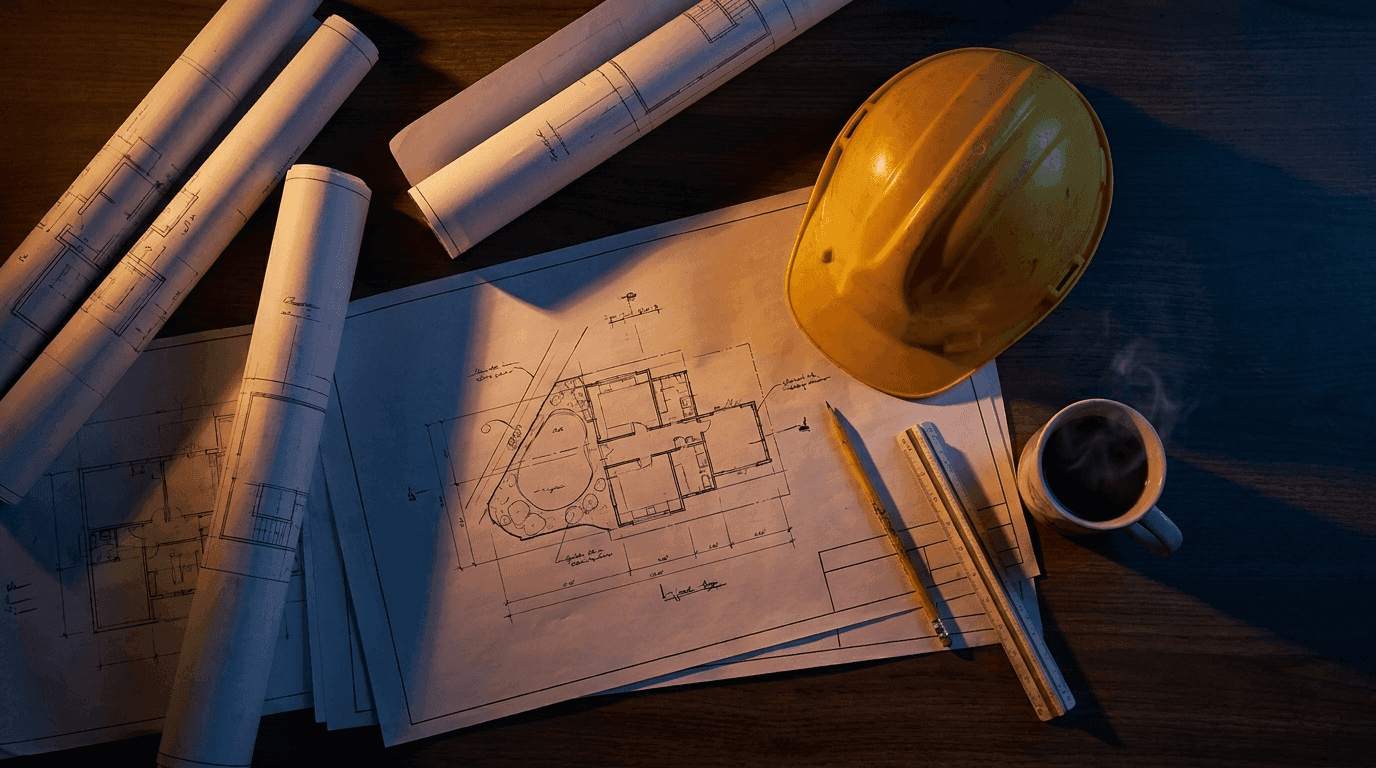
The Myth of Builder-Guaranteed Quality
Many homebuyers believe that purchasing a newly built home means guaranteed quality, assuming that builder warranties and municipal inspections will cover any potential issues. However, this is a common misconception. While builders do offer warranties, they often have limitations and may not cover all defects, especially cosmetic or structural issues that arise over time.
Similarly, municipal code inspections focus primarily on compliance with basic building codes rather than the overall quality of workmanship. These inspections are often brief due to time constraints, meaning critical details can be overlooked. Real-life examples of issues found in new construction homes include:
- Foundation cracks and uneven settling that appear months after moving in
- Improperly installed electrical wiring can pose fire hazards
- Plumbing leaks and drainage problems caused by rushed installations
- HVAC systems malfunction due to incorrect sizing or poor ductwork
- Poorly sealed windows and doors lead to energy inefficiency and moisture damage
A new construction home inspection helps identify these hidden issues before they become major problems, ensuring the home is truly built to last.
When to Schedule a New Construction Home Inspection
A new construction home inspection should be conducted at multiple stages to ensure quality and catch potential issues before they become costly repairs. Builders often work under tight deadlines, and mistakes can be made along the way. By scheduling inspections at key phases of construction, homeowners can identify and address defects early, ensuring the home is safe, functional, and built to last.
Pre-Drywall Inspection
The pre-drywall inspection is conducted before the insulation and drywall are installed, providing an opportunity to inspect the home's core structural and mechanical components. Once the walls are sealed, many critical areas become inaccessible, making this phase crucial for detecting hidden defects.
During this inspection, a home inspector will check:
- Framing and structural components: Ensuring walls, beams, and supports are correctly installed
- Electrical wiring: Verifying outlets, circuits, and panels are properly positioned and wired
- Plumbing lines: Checking for leaks, correct pipe placement, and proper water flow
- HVAC ductwork: Ensuring proper ventilation and efficient airflow
- Insulation (if installed at this stage): Confirming that insulation meets energy efficiency standards
Identifying and addressing issues during this phase prevents costly repairs later and ensures that the home's internal systems are installed correctly before they are covered up.
Final Walkthrough Inspection
The final walkthrough inspection occurs just before closing when the construction is nearly complete. This inspection ensures that everything functions properly and meets quality standards. Even though the builder may conduct their own final walkthrough, hiring an independent inspector ensures an unbiased, thorough evaluation.
Key areas checked during this phase include:
- Plumbing fixtures: Ensuring sinks, toilets, and showers work without leaks or drainage issues
- Electrical systems: Testing outlets, switches, light fixtures, and the circuit breaker panel
- HVAC system: Checking heating, cooling, and ventilation efficiency
- Appliances: Ensuring installed appliances operate correctly
- Windows and doors: Verifying proper sealing, alignment, and locking mechanisms
- Roof, siding, and foundation: Looking for cracks, leaks, or signs of structural weakness
- Cosmetic finishes: Identifying paint defects, flooring issues, and other minor flaws
This inspection is the last chance to address major issues before taking ownership of the home. Any defects found should be documented and reported to the builder for necessary repairs before closing.
11-Month Warranty Inspection
Most builders offer a one-year warranty that covers defects in materials and workmanship. However, some problems may take months to surface, making the 11-month warranty inspection an essential final step before the warranty expires.
Common issues that may appear after several months of occupancy include:
- Foundation cracks or settling: Small cracks can develop over time and may indicate underlying structural concerns
- Plumbing leaks: Slow leaks can cause water damage and mold growth if left unchecked
- HVAC inefficiencies: Some heating or cooling problems become noticeable only after prolonged use
- Electrical issues: Flickering lights, dead outlets, or tripped breakers may emerge after regular use
- Door and window alignment: Frames may shift due to settling, causing drafts and insulation issues
A new construction home inspection is not just a single event but a multi-phase process that ensures your home is built correctly and free from major defects. By scheduling inspections at the pre-drywall, final walkthrough, and 11-month warranty stages, homeowners can protect their investment, avoid unexpected repairs, and move in with confidence, knowing their new home meets the highest quality standards.
The Hidden Flaws in New Homes: What Inspectors Often Find
A brand-new home may look flawless at first glance, but hidden defects can exist beneath the surface. Many homebuyers assume that new construction means top-quality workmanship, but even the best builders can make mistakes. Tight deadlines, multiple subcontractors, and cost-cutting measures can result in structural flaws, improperly installed systems, and overlooked safety hazards. A new construction home inspection is essential to uncover these issues before they lead to costly repairs or potential risks for homeowners.
Structural Weaknesses and Foundation Issues
The foundation is the backbone of any home, and if it's not built correctly, it can lead to serious problems down the line. Even in new construction, inspectors often find:
- Cracks in the foundation: Small cracks may seem harmless but can indicate settling issues or poor concrete mixing
- Uneven floors or misaligned framing: These issues can cause long-term structural instability
- Improper load-bearing wall placement: Some walls may not be reinforced properly, leading to sagging or shifting over time
Foundation and framing problems can be difficult and expensive to fix once the home is complete, which is why an early inspection is crucial.
Poorly Installed HVAC, Plumbing, and Electrical Systems
Even new homes can have serious mechanical system failures due to rushed or careless installation. Inspectors frequently find:
- HVAC issues: Incorrectly sized units, poor ductwork design, or blocked vents can lead to inefficiency, poor airflow and increased energy costs
- Plumbing defects: Leaks, incorrect pipe fittings, improper drainage, or missing shut-off valves can cause water damage and mold growth
- Electrical hazards: Loose wiring, overloaded circuits, and poorly installed outlets can create fire hazards and electrical failures
These issues may not be immediately noticeable but can lead to costly repairs and safety risks if left unchecked.
Improper Grading and Drainage Problems
The exterior of a home plays a crucial role in protecting it from water damage, yet improper grading is a common issue in new builds. Common problems include:
- Poorly sloped landscaping: Water should drain away from the home, but improper grading can lead to pooling around the foundation, increasing the risk of basement flooding and structural damage
- Clogged gutters and downspout: If water isn't properly directed away from the home, it can cause erosion and moisture damage
- Insufficient drainage systems: Yards may lack proper drainage, leading to standing water, soggy lawns, and foundation concerns
A new construction home inspection helps catch these issues early, preventing expensive water damage repairs in the future.
Cosmetic Defects vs. Major Red Flags
Not all issues in a new home are purely cosmetic. While small imperfections like minor paint smudges or uneven caulking may be easily fixed, other cosmetic defects can indicate larger underlying problems. Examples include:
- Gaps in flooring or uneven tiles: This can signal poor installation or subflooring issues
- Doors and windows that don't close properly: Could indicate foundation shifts or improper framing
- Cracked drywall or nail pops: These might seem minor but could point to structural movement
A thorough inspection helps distinguish between superficial flaws and serious red flags, ensuring that potential problems are addressed before they worsen.
Safety Hazards That Could Put Your Family at Risk
New homes should meet modern safety standards, but inspectors often uncover overlooked safety concerns, including:
- Missing or improperly installed smoke and carbon monoxide detectors: These are critical for protecting against fires and gas leaks
- Loose railings or unsafe staircases: Poorly secured handrails and uneven steps can pose a serious fall risk
- Faulty electrical wiring: Exposed or improperly connected wires can increase the risk of electrical fires
- Mislabeled or missing circuit breakers: Can lead to confusion in an emergency and potential electrical overloads
A new construction home inspection ensures that safety measures are in place and functioning correctly, protecting you and your family.
How to Choose the Right Home Inspector for a New Construction Home Inspection
A new construction home inspection is a crucial step in ensuring your home is built to high-quality standards. However, the effectiveness of the inspection depends on choosing the right home inspector. Not all inspectors have the experience or qualifications needed to properly evaluate a newly built home. A knowledgeable and independent inspector can help you catch potential issues before they become major problems. Here's what to consider when selecting an inspector for your new home.
Independent vs. Builder-Recommended Inspectors
When searching for a home inspector, you may be given a list of recommended inspectors from your builder. While this might seem like a convenient option, hiring an independent inspector is often the better choice. Here's why:
- Builder-recommended inspectors may have conflicts of interest. They often work closely with the builder and may not be as thorough in pointing out defects
- An independent inspector works for you. Their only priority is ensuring your home is built correctly and meets safety and quality standards
- A third-party inspection provides an unbiased evaluation. This ensures that all findings are reported accurately, without pressure from the builder to overlook issues
By choosing an independent home inspector, you increase the likelihood of catching construction defects and holding the builder accountable for necessary repairs.
Certifications and Experience to Look For
Not all home inspectors have the same level of expertise. When selecting an inspector for a new construction home inspection, look for the following qualifications:
- Certifications from reputable organizations: A qualified inspector should be certified by a recognized professional association, such as:
- The American Society of Home Inspectors (ASHI)
- The International Association of Certified Home Inspectors (InterNACHI)
- The National Association of Home Inspectors (NAHI)
- Experience with new construction inspections: New homes require different expertise than older homes. Look for an inspector who specializes in pre-drywall, final walkthrough, and warranty inspections
- Knowledge of local building codes: Every state and municipality has different building requirements. An experienced inspector will be familiar with local regulations and ensure compliance
- A strong track record: Read online reviews, ask for references, and check how long they've been in the industry. Experienced inspectors are more likely to spot hidden defects
Questions to Ask Before Hiring an Inspector
Before hiring a home inspector, it's essential to ask the right questions to ensure they're qualified and capable of performing a thorough inspection. Here are some key questions to consider:
-
Do you specialize in new construction home inspections?
- Some inspectors focus on older homes and may not be familiar with the unique issues in newly built properties
-
What is included in your inspection report?
- A detailed inspection report should include photos, descriptions of defects, and recommendations for repairs
-
Can you inspect the home in multiple phases?
- Ideally, your inspector should conduct pre-drywall, final walkthrough, and 11-month warranty inspections to catch issues at different stages of construction
-
Are you licensed and insured?
- Licensing requirements vary by state, but a reputable inspector should have proper credentials and insurance to protect both parties
-
How long will the inspection take?
- A thorough inspection should take 2-4 hours, depending on the size of the home. If an inspector rushes through the process, they may not catch all potential issues
-
Do you allow buyers to attend the inspection?
- A good inspector will encourage you to walk through the home with them and explain their findings in real time
Choosing the right home inspector is just as important as the inspection itself. A qualified, independent, and experienced inspector will thoroughly assess your home's construction quality, helping you avoid costly repairs in the future. By prioritizing expertise, certifications, and an unbiased approach, you can ensure your new construction home inspection is as effective and reliable as possible.
The Inspection Report: What Happens Next?
After completing a new construction home inspection, you'll receive a detailed inspection report outlining the inspector's findings. This document is crucial because it provides an in-depth evaluation of your home's condition, highlighting any defects, safety concerns, or unfinished work. Understanding this report and knowing how to use it effectively can help you negotiate repairs with the builder and protect your investment. Here's what to do next.
Understanding the Results
A professional home inspection report typically includes:
- A summary of major findings: Highlighting critical safety hazards, code violations, or structural issues
- Detailed descriptions of defects: Explaining what was found, why it's a problem, and potential consequences if not fixed
- Photos and documentation: Visual evidence of issues, such as cracked foundations, misaligned doors, or faulty wiring
- Recommendations for repairs: Suggestions on what needs immediate attention and what may become a problem in the future
It's important to carefully review the report and prioritize major defects over cosmetic concerns. For example:
Major issues: structural weaknesses, electrical hazards, plumbing leaks, improper grading, HVAC failures.
Minor issues: paint imperfections, scuffed flooring, minor drywall cracks, or missing caulk.
Not every issue is a deal-breaker, but understanding the severity of each problem will help you decide how to proceed with repair requests.
How to Negotiate Repairs with the Builder
Unlike buying an older home, where repairs are often negotiated between buyers and sellers, dealing with a builder requires a different approach. Here's how to successfully negotiate repairs:
Present the Inspection Report Clearly
- Provide the builder with a copy of the report and highlight major defects that must be addressed
- Stick to safety issues, code violations, and functional defects rather than minor cosmetic concerns
Reference Builder Warranty and Contracts
- Most builders offer a one-year warranty on workmanship and materials
- Structural components may have a longer 10-year warranty use this as leverage for major concerns
Request Repairs in Writing
- Submit a formal repair request listing the items that need fixing
- Include supporting photos and specific details from the inspection report
Follow Up and Hold the Builder Accountable
- Builders may delay or downplay issues be persistent and follow up regularly
- If the builder agrees to repairs, schedule a final walkthrough to confirm the work was completed properly
What to Do If the Builder Refuses to Fix Issues
Not all builders are cooperative, and some may resist making repairs. If your builder refuses to fix issues found in the new construction home inspection, you still have options:
Check Your Warranty Coverage
- Review your builder's warranty agreement to see what defects are covered
- If a major defect is within the warranty period, the builder is legally obligated to fix it
Get a Second Opinion
- If the builder claims there's no issue, hire a specialist (e.g., structural engineer, electrician) for an expert opinion
- An independent professional's assessment can strengthen your case
Escalate the Complaint
- Contact the builder's corporate office: If dealing with a large construction company, escalate your concerns to higher management
- Report to local building authorities: Some defects may violate building codes, and city inspectors can intervene
- Consult a real estate attorney: If the builder is refusing to honor warranties or contracts, legal action may be necessary
A new construction home inspection isn't just about identifying defects it's about ensuring your home meets the highest quality standards before you move in. By understanding your inspection report, negotiating effectively, and knowing your rights, you can hold the builder accountable and secure necessary repairs. This proactive approach will give you peace of mind, knowing your new home is safe, functional, and built to last.
Final Thoughts
A new construction home inspection is a critical step in ensuring your home is built to the highest standards. While it may seem unnecessary to inspect a brand-new house, hidden defects and overlooked construction flaws can lead to costly repairs and safety hazards down the road. Skipping an inspection might save you money upfront, but it could cost you thousands in unexpected expenses later.
By investing in a thorough inspection, you safeguard your home, ensure compliance with building codes, and hold your builder accountable for quality workmanship. Taking the time to schedule pre-drywall, final walkthrough, and 11-month warranty inspections not only helps you avoid future headaches but also provides peace of mind that your home is safe, functional, and built to last.
Before closing, use a final checklist to confirm that all necessary repairs have been addressed, your systems are working properly, and your builder's warranty is understood. Being proactive now will save you time, money, and stress, allowing you to fully enjoy your new home with confidence.
Bihn Construction brings New York-level discipline to building, renovating, and remodeling across Upstate South Carolina.
Related: Our Services · Our Process
Let's build something that lasts.
Share your project details and let's turn your vision into a build that lasts. Most consultations are scheduled within 48 hours.